
How to Properly Care for Your Wood Trailer Deck
Your trailer's wood flooring works hard every time you haul equipment, landscaping materials, or supplies. With proper cleaning, maintenance, and protection, you can help extend its useful life and avoid unnecessary repairs.
By MLE Trailer Solutions | Anderson, South Carolina

Wood-deck trailers are popular among homeowners, landscapers, contractors, farmers, and equipment operators throughout Upstate South Carolina. Whether you own a small utility trailer or a larger tandem-axle equipment trailer, keeping the deck in good condition matters.
Although many trailers come equipped with pressure-treated lumber, that doesn't mean the wood is maintenance-free. South Carolina's humidity, heavy rainfall, summer heat, and frequent sun exposure can gradually wear down even treated lumber.
Here are seven practical ways to protect your trailer's wooden floor.
1. Keep Your Trailer Deck Clean
One of the easiest ways to protect your trailer's wood is to remove dirt, leaves, grass clippings, and other debris regularly.
When organic material stays on a trailer deck, it can hold moisture against the wood and create conditions favorable to decay.
How to clean your trailer flooring
- Sweep away loose dirt, grass, and debris.
- Use a soft or medium-bristle brush to remove stubborn buildup.
- Wash with water and a mild cleaner compatible with treated wood.
- Rinse thoroughly without forcing water into the wood.
- Allow the deck to dry completely.
Avoid using excessive pressure when pressure washing a wooden trailer deck. A powerful concentrated stream can damage wood fibers, causing splintering and a rougher surface.
2. Apply a Quality Exterior Wood Sealer
Applying an appropriate water-repellent exterior wood sealer can help reduce moisture absorption, checking, and weather-related deterioration.
Even if your trailer came with pressure-treated lumber, an additional compatible protective finish may be beneficial once the wood is sufficiently dry.
Choosing the right product
Look for a product designed for exterior horizontal wood surfaces and compatible with pressure-treated lumber. A penetrating water-repellent finish is often preferable to a thick surface coating that may peel under heavy trailer use.
Consider a finish with UV protection if your trailer is frequently parked in direct sunlight.
Before applying sealer
- Thoroughly clean the trailer deck.
- Allow the lumber to dry according to the product manufacturer's instructions.
- Make sure newly pressure-treated lumber is ready to accept the finish.
- Follow the manufacturer's directions for temperature, application, and curing.
- Check that the finish will not create an excessively slippery loading surface.
There is no single sealing schedule suitable for every trailer. Inspect the condition of the finish periodically, and reapply based on the product directions, weather exposure, and wear.
3. Prevent Standing Water
Moisture is one of the biggest threats to wooden trailer flooring.
While pressure-treated lumber provides protection against decay, repeated wetting and prolonged dampness can still contribute to deterioration.
To reduce moisture damage:
- Remove accumulated leaves and debris that trap water.
- Avoid leaving wet materials or saturated soil on the trailer.
- Keep drainage gaps clear.
- Park where water can drain instead of pooling on the deck.
- Allow the floor to dry after washing or hauling wet cargo.
4. Protect the Deck From Sun Exposure
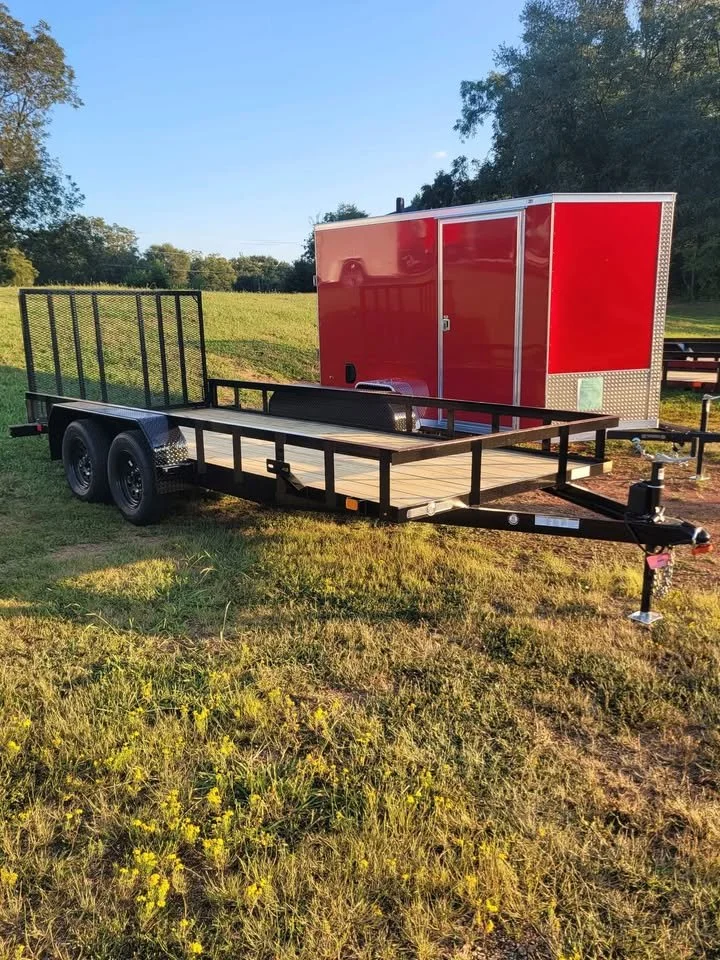
The South Carolina sun can be especially hard on exterior wood surfaces. Extended UV exposure may cause discoloration, surface drying, and cracking over time.
When possible, store your trailer beneath a covered structure or in a shaded area.
A breathable, properly secured trailer cover may also help, provided it does not trap moisture against the flooring.
If covered storage isn't practical, regular cleaning, inspections, and appropriate wood treatment become even more important.
5. Avoid Damaging the Wood When Loading
Your trailer flooring is designed to carry cargo, but sharp objects, repeated impacts, and concentrated loads can cause premature damage.
To help preserve the wooden deck:
- Avoid dragging sharp metal objects directly across the boards.
- Use properly rated loading ramps for equipment.
- Distribute cargo weight according to your trailer manufacturer's loading requirements.
- Secure equipment to approved trailer tie-down points.
- Use suitable protective mats or load-spreading materials when appropriate for the cargo.
Never exceed the trailer's rated payload capacity. The deck condition, trailer frame, axles, tires, and hitch system must all be suitable for the load.
6. Inspect Wood Floorboards for Damage
Regular inspections are especially important for trailers used commercially or for hauling heavy equipment.
Before loading, inspect the flooring and pay attention to:
- Soft or spongy areas.
- Significant splitting or cracking.
- Loose or missing deck fasteners.
- Boards that move excessively under pressure.
- Signs of decay around the edges or underneath.
- Damage at contact points with the steel frame.
Never rely on severely damaged or rotten trailer floorboards to support heavy cargo. If you suspect structural damage, have the trailer inspected before using it again.
7. Replace Damaged Boards When Necessary
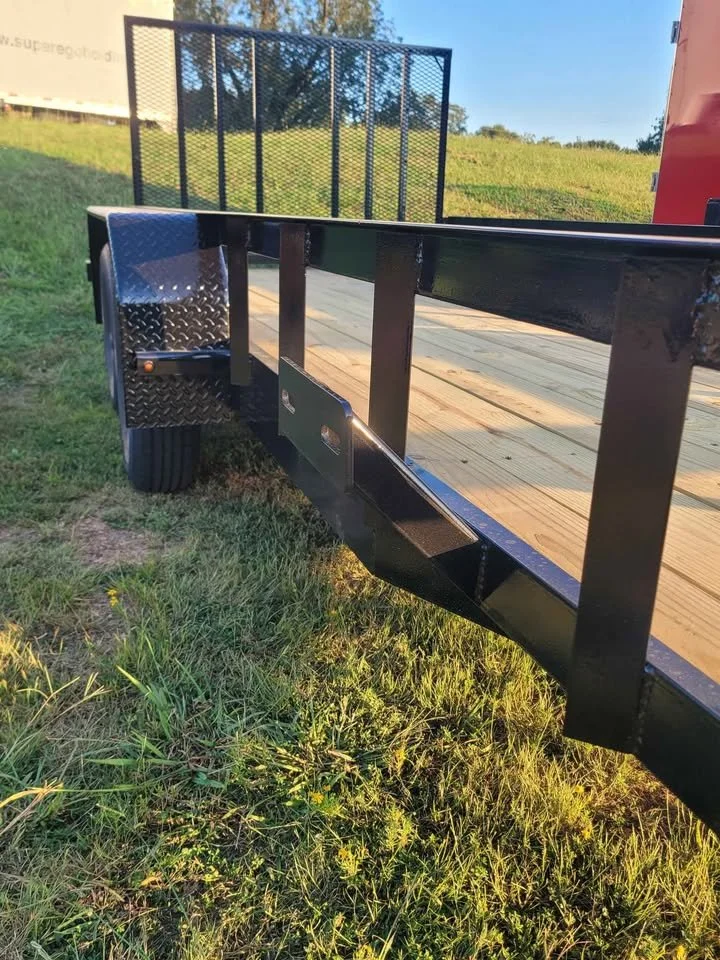
Even with good maintenance, wooden trailer flooring will eventually experience wear.
When replacement becomes necessary, use lumber appropriate for the trailer's design, load requirements, and manufacturer specifications.
Many utility and equipment trailers use pressure-treated lumber, but board size, lumber grade, span, fastening method, and treatment requirements can vary.
Don't assume any pressure-treated board from a hardware store is a suitable structural replacement.
Replacement fasteners must also be compatible with treated lumber. If you are uncertain about the correct materials, consult the trailer manufacturer or a qualified repair shop.
Trailer Wood Deck Maintenance Schedule
Use this general maintenance checklist to help keep your trailer ready for the next job.
| When | Recommended Maintenance |
|---|---|
| Before hauling | Inspect the floor for damage and loose boards. |
| After dirty or wet loads | Remove debris, rinse when needed, and allow to dry. |
| Every few months | Check boards, fasteners, wood edges, and underside. |
| Periodically | Evaluate water repellency and finish wear. |
| As needed | Reapply compatible sealer or repair damaged flooring. |
Should You Seal a Brand-New Trailer's Pressure-Treated Wood?
Not necessarily right away.
Pressure-treated lumber can contain substantial moisture when a trailer is first manufactured. Applying a finish too early may prevent proper penetration or curing.
Before sealing a new trailer deck, check the wood's moisture condition and follow the coating manufacturer's recommendations.
Some products are formulated for newer treated lumber, while others require the wood to dry further.
A simple water-drop test may offer a rough indication of surface absorbency, but it does not replace proper moisture testing or product instructions.
Frequently Asked Questions
How often should I seal my trailer's wooden floor?
It depends on the finish, climate, and amount of use. Inspect the surface regularly and follow the sealer manufacturer's reapplication recommendations.
Can pressure-treated trailer wood still rot?
Yes. Pressure treatment improves resistance to decay, but it does not make wood completely immune to deterioration, especially when damaged or kept wet.
Should I use paint or wood sealer on my trailer deck?
A compatible penetrating exterior finish is often a practical choice for working decks. Paints and thick film-forming coatings can wear or peel under heavy cargo use. Choose based on wood condition, loading requirements, and product instructions.
Can I pressure wash my wood trailer?
Yes, with care. Use gentle pressure, keep a safe distance, and avoid damaging the surface fibers. A brush and mild cleaner are often sufficient.
When should I replace the wood on my trailer?
Replace boards that are rotten, structurally compromised, severely cracked, or no longer securely attached. If you are uncertain about deck safety, get a professional inspection.
Keep Your Trailer Ready for the Next Job
Your trailer is an investment, whether you use it for weekend projects, landscaping, agriculture, or commercial equipment hauling.
With regular cleaning, proper drainage, appropriate wood protection, and timely repairs, you can help extend the life of its wooden deck.
At MLE Trailer Solutions, we're committed to helping our customers find reliable trailers and maintain them after the sale.
Located in Anderson, South Carolina, we serve customers throughout Greenville, Easley, Clemson, Seneca, and the surrounding Upstate region.
Need a Trailer or Help With Maintenance?
Explore our utility and equipment trailers, or contact our team about trailer maintenance and repair services.
4150 SC-81
Anderson, SC 29621
864-617-2933
